Why are dates used to break the fast during Ramadan?
Posted on 13/03/2024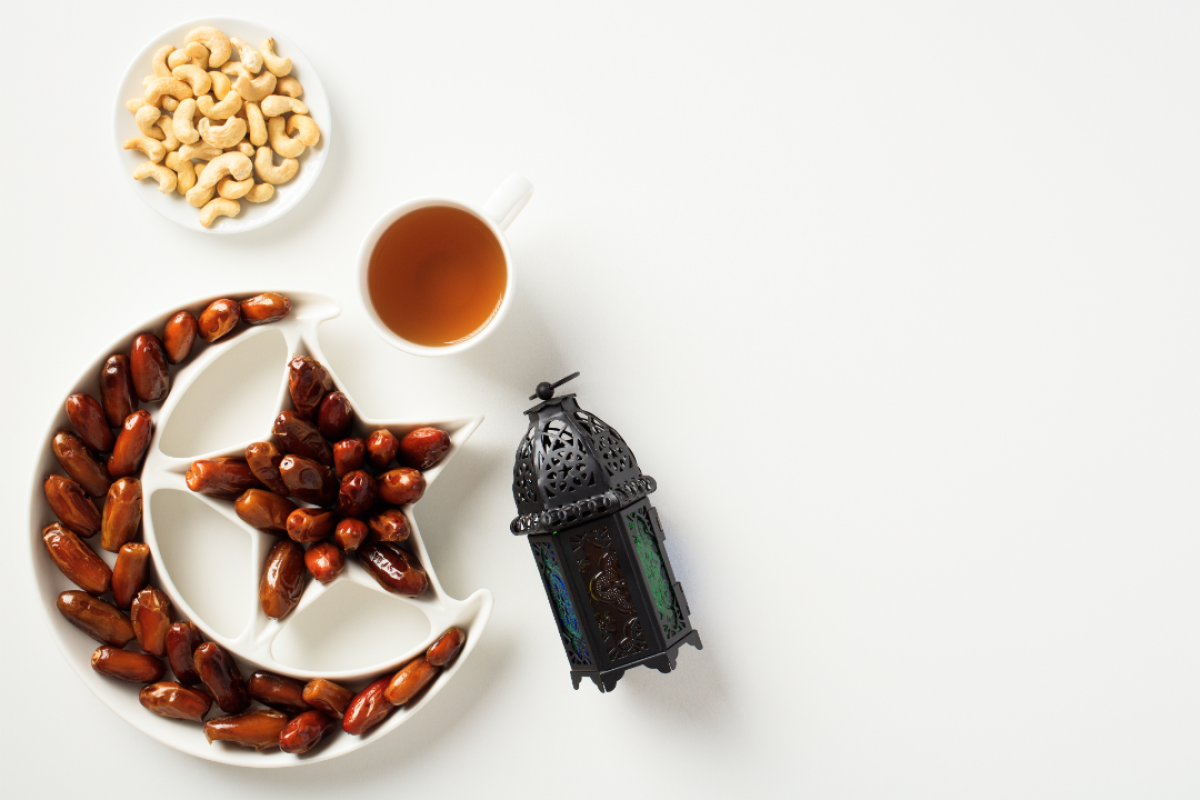
Ramadan is a sacred month for Muslims around the world, marked by daily fasting from sunrise to sunset.
The breaking of the fast, called Iftar, is an important moment of the day, where the faithful gather to break their fast with special foods, often starting with the tasting of dates. But why are dates so traditionally associated with breaking the fast during Ramadan? In this article, we will explore the historical, cultural, nutritional and practical reasons behind this centuries-old practice.
Historical and religious significance of dates during Ramadan
Dates occupy a special place in Islamic tradition, being mentioned several times in the Quran. According to tradition, the Prophet broke his fast with dates, followed by a glass of water, and this practice is therefore strongly recommended for devout Muslims. Dates are considered a blessed and pure food, and their consumption during Ramadan is therefore considered a form of piety and submission to the divine will.
The nutritional benefits of dates for breaking the fast
Beyond their religious importance, dates are also a nutritionally wise choice for breaking the fast. Dates are naturally rich in natural sugars, particularly glucose and fructose, making them a quick source of energy to restore blood glucose levels after a day of fasting. Moreover, dates are rich in dietary fibre, minerals such as potassium and magnesium, as well as B-complex vitamins, making them a nutritious choice for restoring essential nutrients lost during fasting.
The hydrating properties of dates
During Ramadan, where fasting can last up to 14 hours or more in some regions, it is essential to ensure adequate hydration when breaking the fast. Dates naturally contain a high amount of water, which contributes to rehydrating the body after a day of fluid deprivation. Moreover, dates are a natural source of potassium, an essential electrolyte for maintaining fluid balance and muscle function, making them an ideal choice to complement fluid needs when breaking the fast.
The tradition and conviviality around dates during Ramadan
In addition to their nutritional and religious benefits, dates play a central role in the tradition and conviviality of Ramadan. Breaking the fast with dates is an ancestral practice passed down from generation to generation, strengthening family and community bonds. Sharing dates at Iftar is a gesture of generosity and camaraderie, recalling the importance of sharing and solidarity during this holy month. In this sense, dates are not just a food, but also a symbol of the unity and spirituality that characterise Ramadan.
In conclusion
Dates occupy a special place in the Ramadan tradition, being both a nutritionally wise choice for breaking the fast and a symbol of piety, generosity and conviviality. Their consumption during Iftar is deeply rooted in the history and religion of Islam, and continues to play a central role in the celebration of this holy month. By understanding the multiple meanings of dates during Ramadan, we can fully appreciate their importance in the spiritual and social life of Muslims worldwide.